The $50,000 Status Meeting Tax
Why do organizations subject their most talented leaders to 60-minute weekly status calls where everyone recites what they did yesterday? It occurs because conventional project trackers are passive databases that require manual updates.
In a company of 50 people, holding two hours of weekly synchronization calls consumes 5,200 executive hours per year—costing upwards of $350,000 in lost focus time alone.
How Self-Driving Task Boards Function
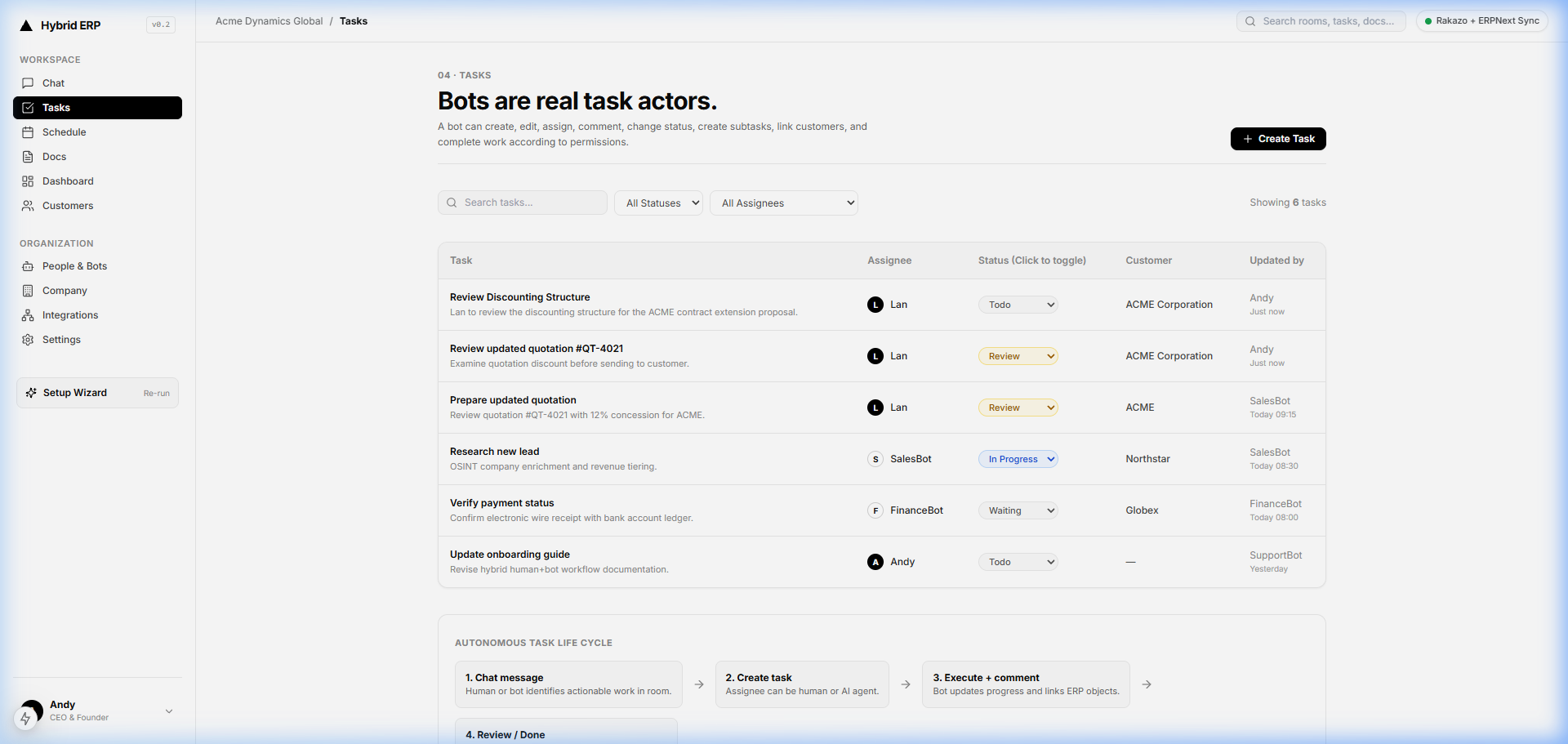
In DualforceOS, tasks are not passive todo lists. When @TaskScout is assigned to an operational initiative, it monitors code commits, customer emails, vendor shipments, and invoice approvals. When a shipment clears customs, TaskScout moves the delivery card from "In Transit" to "Warehouse Received" automatically.
Early Warning Dependency Alerts in Real Time
TaskScout actively monitors deliverable deadlines across product, engineering, and supply chain. When an upstream supplier delivery slips by two days, TaskScout recalibrates downstream tasks and sends an alert with suggested mitigation steps.
- Preemptive Bottleneck Detection: Flags potential milestone misses 48 hours before deadlines arrive.
- Automated Work Redistribution: Rebalances ticket queues across available human staff and AI agents.
- Cross-Entity Linking: Every task card is permanently anchored to the associated customer account and order number.
Daily Automated Executive Briefings
Instead of scheduling an all-hands status review, executives receive an automated morning briefing in their attention feed: 3 completed milestones, 1 flagged dependency, and recommended corrective actions. Meetings are reserved for strategic decision-making, not status reporting.